General
What Happens on a Discovery Call With Aivora
21 September 2026 · 6 min read
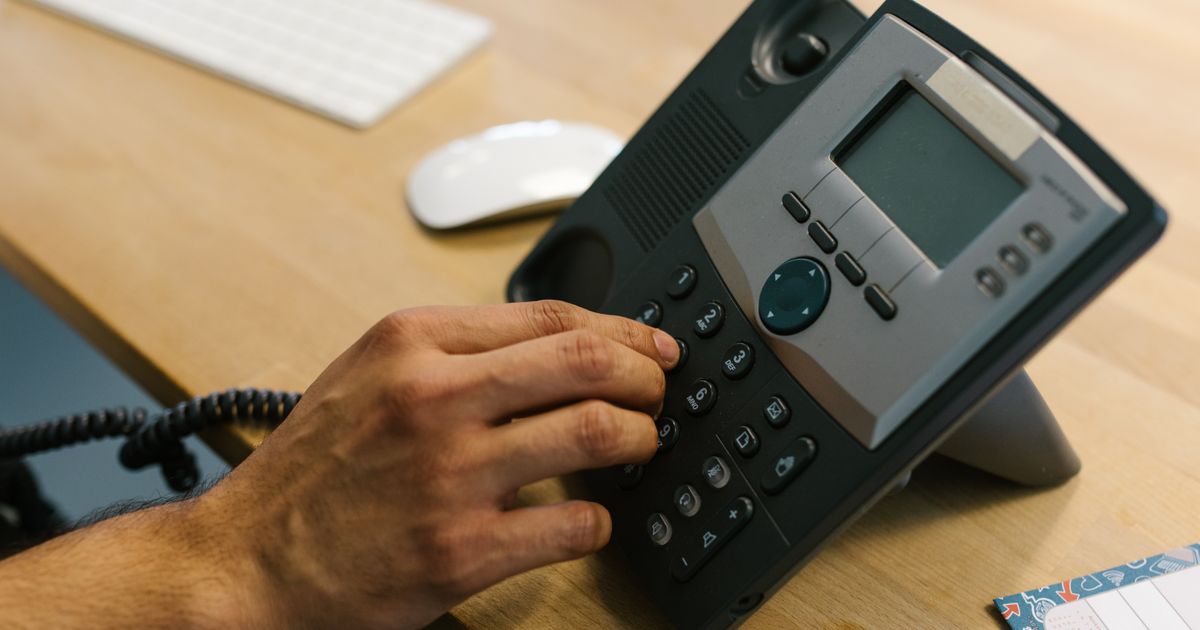
Why "discovery call" makes people nervous
If you've never worked with a creative agency before, "book a discovery call" can sound like code for "sit through a sales pitch." You block out half an hour, brace yourself for a script, and hope you can get off the phone without committing to something you're not ready for.
That's not what a discovery call is supposed to be, and if it feels that way, the agency running it has designed it wrong. A proper discovery call is a working session: you bring the problem, we bring questions, and by the end both sides know whether there's a project worth doing. Here's what that actually looks like at Aivora, and how to get the most out of one if you're booking your first.
What a discovery call is for
The honest purpose of a discovery call is to answer one question fast: is this worth either of our time?
That cuts both ways. We're checking whether your business is at a stage where a website, a design system, or an email programme will actually move the needle — not just whether you can pay an invoice. You're checking whether we understand your business well enough to trust us with it, and whether our way of working suits you.
Neither of those things can be worked out from a contact form. They need a conversation where someone can ask a follow-up question.
What we actually cover, minute by minute
We publish the agenda on our booking page rather than keeping it vague, because there's no reason to make people guess what they're agreeing to. A typical 30-minute call runs like this:
Minutes 0–5: where you are now
What the business does, what's changed recently, and what actually prompted you to get in touch this week rather than last month or next year. This matters more than people expect — a business that's just landed a big client behaves very differently from one that's quietly losing enquiries to a competitor's better website.
Minutes 5–15: what's actually costing you
This is the diagnostic part. If it's a website enquiry, we'll look at the current site live on the call — load speed, the path from homepage to enquiry form, whether mobile visitors can actually complete anything. If it's t-shirt printing for an event, we're asking about lead times, order volumes, and who's chasing suppliers today. If it's email marketing, we want to see your last few campaigns and your actual open and click numbers, not just "we send a newsletter sometimes."
The goal in this window is to name the single most expensive gap — the thing that, if fixed, changes the numbers the most. Not a list of ten problems. One.
Minutes 15–25: what we'd build first
Not a full proposal. A direction: the specific first move, roughly what order things would happen in, and a realistic sense of cost. If you've already read our piece on what a website actually costs for an Oxfordshire small business, this is where that budget range gets tested against your actual situation rather than a general estimate.
Minutes 25–30: whether to carry on
A straight answer, in either direction. If we think we're not the right fit — wrong budget stage, wrong kind of project, or we simply don't have the right specialism in-house — we'll say so and, where we can, point you somewhere more useful. Nobody's incentivised to drag out a call that isn't going anywhere.
What to bring, so the 30 minutes isn't wasted
You don't need a brief. You don't need a deck. But a call goes noticeably better when you turn up with:
- A number, even a rough one. "Somewhere between £2,000 and £5,000" is more useful than nothing, and far more useful than a figure you haven't actually thought about. Agencies can't reverse-engineer a sensible recommendation from an unknown budget.
- The actual thing that's broken. Not "we need a rebrand" but "our Instagram looks fine but nobody clicks through to buy" or "we get enquiries but half never reply to our follow-up email." Specifics let us diagnose instead of guess.
- Whoever makes the decision. If the call is you exploring on behalf of a partner or a board who'll need convincing separately, say so upfront — it changes how we present the next steps.
- Access to what we're diagnosing. Your current website open in a tab, your last email send pulled up, photos from your last event. Concrete beats described.
What you should be asking us
A discovery call runs both directions, and the questions worth asking usually aren't about price first — they're about fit:
- Have you actually done this kind of project before, for a business roughly our size?
- Who on your team would be doing the work, not just pitching it?
- What does the first month look like in practice — who's in touch with whom, and how often?
- What happens if the first idea doesn't land — is there a way back, or are we locked in?
If an agency gets cagey about any of these, that tells you something the glossy portfolio won't.
What happens after the call
If there's a fit, the next step is usually a short written outline — the direction from minutes 15–25, written down with a proper cost and timeline attached, not a 20-page proposal nobody reads. You review it, ask questions, and decide from there. If there isn't a fit, that's the end of it — no chasing, no drip-feed of follow-up emails trying to talk you round.
This is worth saying plainly: a discovery call is not a soft-open sales funnel. It's a filter. Most of the value in doing it properly is in the businesses it correctly screens out — the ones where a website rebuild isn't actually the answer, or where the budget and the ambition don't match yet. Better to find that out in 30 minutes than three weeks into a project.
When you're not ready for a discovery call yet
Sometimes the honest answer is "not yet," and it's worth recognising that in yourself before you book. A discovery call works best when:
- You have a specific problem, even if you can't fully articulate it — not just "we should probably do something about marketing."
- You've thought about budget, even loosely.
- Someone with actual decision-making authority is on the call, or will be looped in quickly afterwards.
If none of that's true yet, it's not a wasted call, but you'll get more out of it once you've done a bit of that thinking first. There's no penalty for waiting a few weeks and coming back with clearer answers.
The short version
A discovery call should feel like a working conversation with someone who already understands your kind of business, not a rehearsed pitch. At Aivora, that means a published agenda, a straight answer by minute 30, and no pressure either way. If you've got a specific problem and a rough sense of budget, book a discovery call and bring both — you'll get more out of the half hour than you would from another week of researching alone. If you'd rather see how we work first, our about page covers who's actually doing the building, and pricing gives you a general sense of where different projects land before you commit to a call at all.